















Clayfield’s mix of pre-war Queenslanders and renovated post-war homes throws up the same problem on most jobs: original wiring running loads it was never designed for. We handle it according to AS/NZS 3000.
We work across Clayfield 4011 and the northside — switchboard upgrades on pre-war Queenslanders, rental compliance checks near the station, renovation wiring that has to pass inspection first time. Same electricians on site from quote to sign-off.

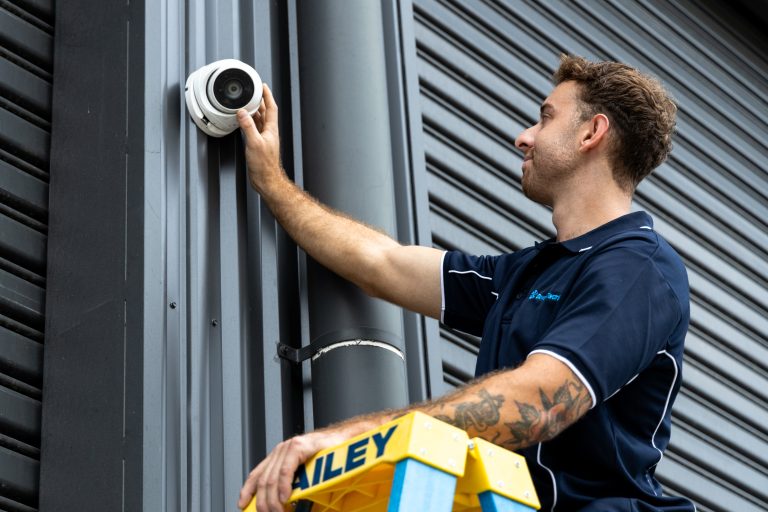
Camera placement matters more than camera specs. We walk the property first, mark the angles that actually cover entry points, then run cabling through existing paths so nothing sits exposed on the eaves. Hikvision systems are installed across Clayfield.
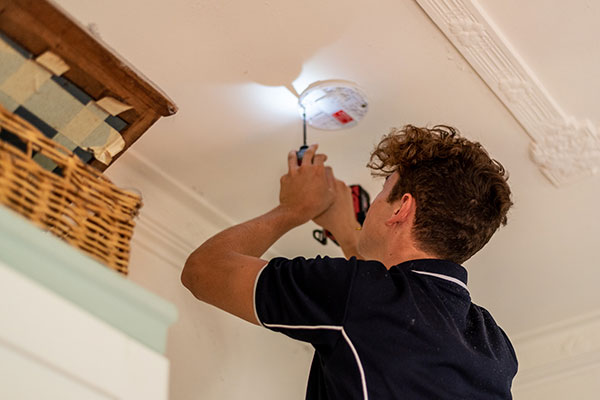
Queensland's 2022 rules still trip up Clayfield landlords, interconnected photoelectric alarms, hardwired with 10-year lithium backup, in every bedroom and storey. We install to AS 3786 and issue the compliance certificate on completion.
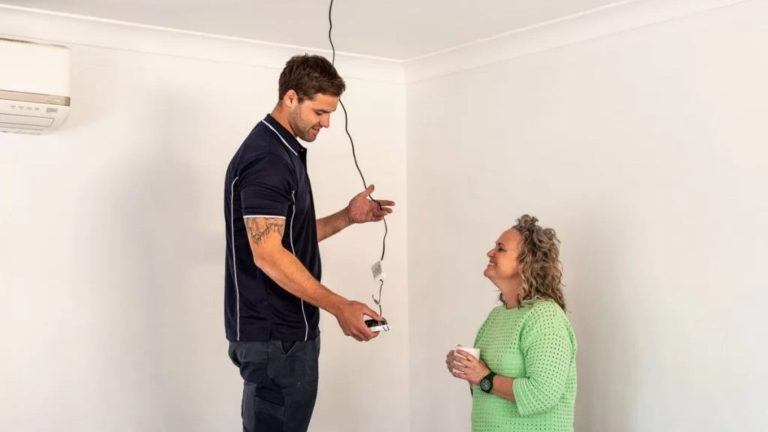
Halogen downlights in older Clayfield homes were often installed without proper insulation clearances, which is a genuine fire risk. We remove them, fit IC-rated LEDs with the right colour temp for each room, and check dimmer compatibility before leaving the site
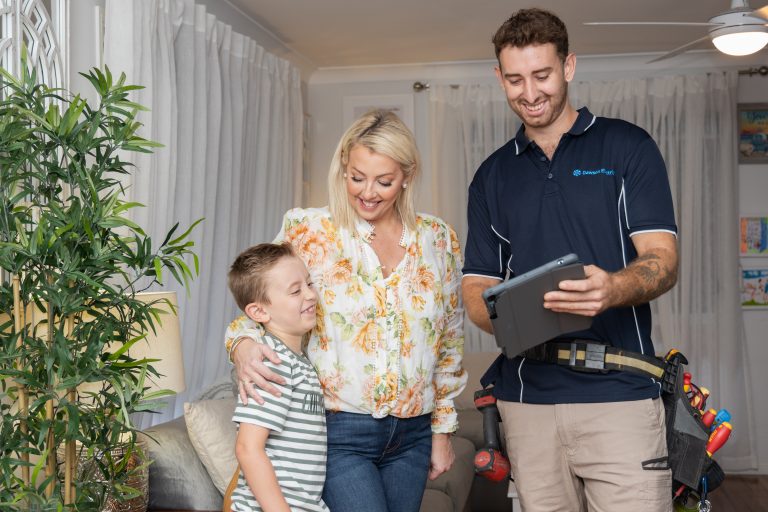
Tired switches, power points that spark when you unplug, nuisance-tripping circuits, and a ceiling fan wired in without proper anchoring. Most Clayfield homes accumulate a list. We work through it in a single visit wherever possible
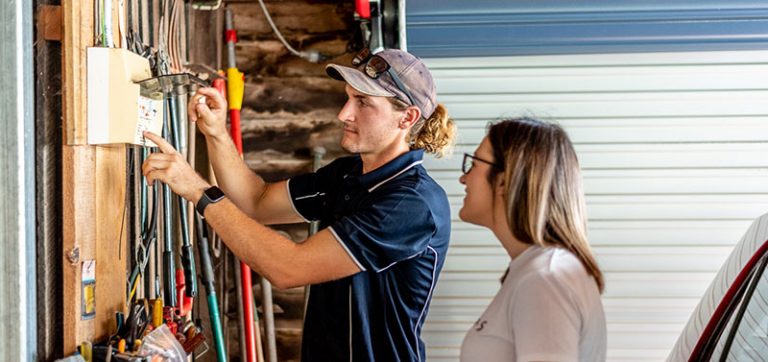
Pre-1990 Clayfield homes often still run ceramic fuses or boards rated well below what ducted AC, induction cooktops, and EV chargers actually draw. An upgrade brings everything to AS/NZS 3000 and stops the recurring trips.
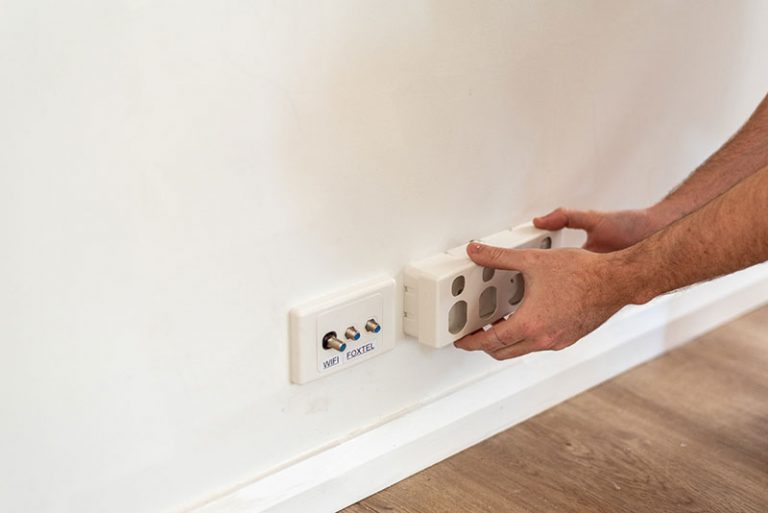
Double adaptors behind the TV and extension leads strung across the kitchen are how most house fires start. Adding proper GPOs, bedside, benchtops, and outdoor-rated near the BBQ costs less than people assume, on dedicated circuits where the load warrants it.

or call now on 07 3324 1447
We’ve been on Clayfield jobs long enough to know the suburb’s electrical quirks before we pull up. The pre-war Queenslanders along Bellevue Terrace and Oriel Road often still carry original switchboards with ceramic fuses, fine for a 1940s load, not for ducted AC and induction cooktops. The post-war homes near the train corridor tend to hide patchwork wiring from decades of incremental renovations.
Most weeks, the work splits between switchboard upgrades on older stock, rental compliance checks around the St Rita’s and St Agatha’s precinct, and EV charger installs as more Clayfield households move across. Licensed under QLD electrical regulations, insured, and every job signed off with the compliance certificates and AS/NZS 3000 documentation, your insurer or agent will ask for.

Switchboard upgrades and rewiring jobs in older Clayfield homes can uncover issues no one saw coming. We open the board, see what's there, and quote on the full scope before any work begins. If the scope genuinely shifts mid-job, you approve the change before we proceed.

No subcontracting out to whoever's free. The electrician who quotes your job holds a QLD electrical licence and does the work themselves. If something needs attention six months later, you're calling the person who installed it.

Every install meets AS/NZS 3000. Every smoke alarm goes into AS 3786. Every switchboard upgrade gets its certificate. That paperwork is what your insurer and real estate agent will ask for when it matters, and it's included in the job.
Rentals and sale properties already fall under the new rules. From 1 January 2027, owner-occupied homes join them. What changes: photoelectric alarms, interconnected, installed in every bedroom plus any hallway a bedroom opens onto, plus one on each level if the house is two-storey.
Hardwiring is the proper option if your ceiling cavity allows access. Ten-year sealed lithium units are acceptable where it doesn’t. Worth checking now rather than scrambling in December, we’ve already seen compliance jobs book out ahead of previous rental deadlines.
The voltage at your connection point is climbing above 253V. That’s the cut-off point at which the inverters export before they shut down to protect themselves. It’s almost never a fault with your system.
What’s happening is every other solar system on your street is feeding back at the same time, and the local network can’t absorb it. An electrician can log the voltage at your switchboard over a few days. If it’s consistently high, Energex has to investigate.
We see these in caravans, workshops, and backyard sheds regularly. The appliance plugs in, the adapter sits in a 10A socket, and the homeowner assumes the problem’s solved. It isn’t. The wiring behind the outlet is still 10A-rated, and a 15A load will push it past what it was built for.
The warning signs are usually brown scorch marks around the point and a warm faceplate. If you’re running a welder or a bigger compressor off a 10A outlet through an adapter, pull it out today. A dedicated 15A circuit is the only safe way to power that kind of load.
Use the Electrical Safety Office public licence search. Type in the name or licence number. The register tells you whether the licence is current, when it expires, and whether any conditions apply.
Any legitimate Queensland electrician will hand over their licence number without being asked twice. If the person quoting your job gets cagey about it, that tells you everything you need to know.